What Makes Audio Equipment Essential for Successful Australian Events?

Importance of Audio Clarity
When orchestrating any event, ensuring clear audio is paramount. Exemplary pro audio equipment is crucial in creating an immersive atmosphere that captivates attendees right from the start. With unmatched sound clarity, the audience at your events remains engaged and connected, enhancing the overall experience. Trust me, when you’ve got a venue buzzing with enthusiasm, such as the Sydney Opera House, you want the sound to be spot-on.
Enhancing Audience Engagement
Engagement peaks when sound quality isn't just heard but felt. Imagine a keynote speaker at the International Convention Centre in Sydney—if every word they say hits the mark, the audience will retain and appreciate much more. Using monitors for video conferencing can also supplement physical events, providing a seamless hybrid experience that keeps remote viewers as engaged as those seated in the front row.
Ensuring Speech Intelligibility
Nothing can derail an event faster than inaudible or muffled speech. Quality systems ensure every syllable is clear, from the back row to the front. Speech intelligibility is about more than just volume; it's about ensuring every pulse of sound is as clear as a bell, no matter where someone sits or stands in the hall.
Supporting Event Accessibility
Finally, accessibility remains a crucial priority. Providing data projectors and induction loops ensures that everyone, including the hearing-impaired, can partake fully in the experience. Recognising the diverse needs of an audience not only meets legal requirements but also elevates the event's reach and impact. The detail-oriented approach you adopt echoes the high standards maintained by luxury venues in Darling Harbour.
Key Audio Components
Microphone Varieties
As an event organiser, one of the foremost elements in managing a successful event is selecting the right audio equipment, particularly microphones, to suit your venue and audience. While planning a corporate function at the International Convention Centre Sydney, for instance, I've come to understand the importance of matching microphone types to specific situations. Handheld microphones are excellent for speaker mobility, especially during interactive sessions or Q&A portions. For panel discussions, clip-on lapel microphones work wonders, providing speakers the freedom to gesture dynamically without compromising sound clarity.
Speaker Systems
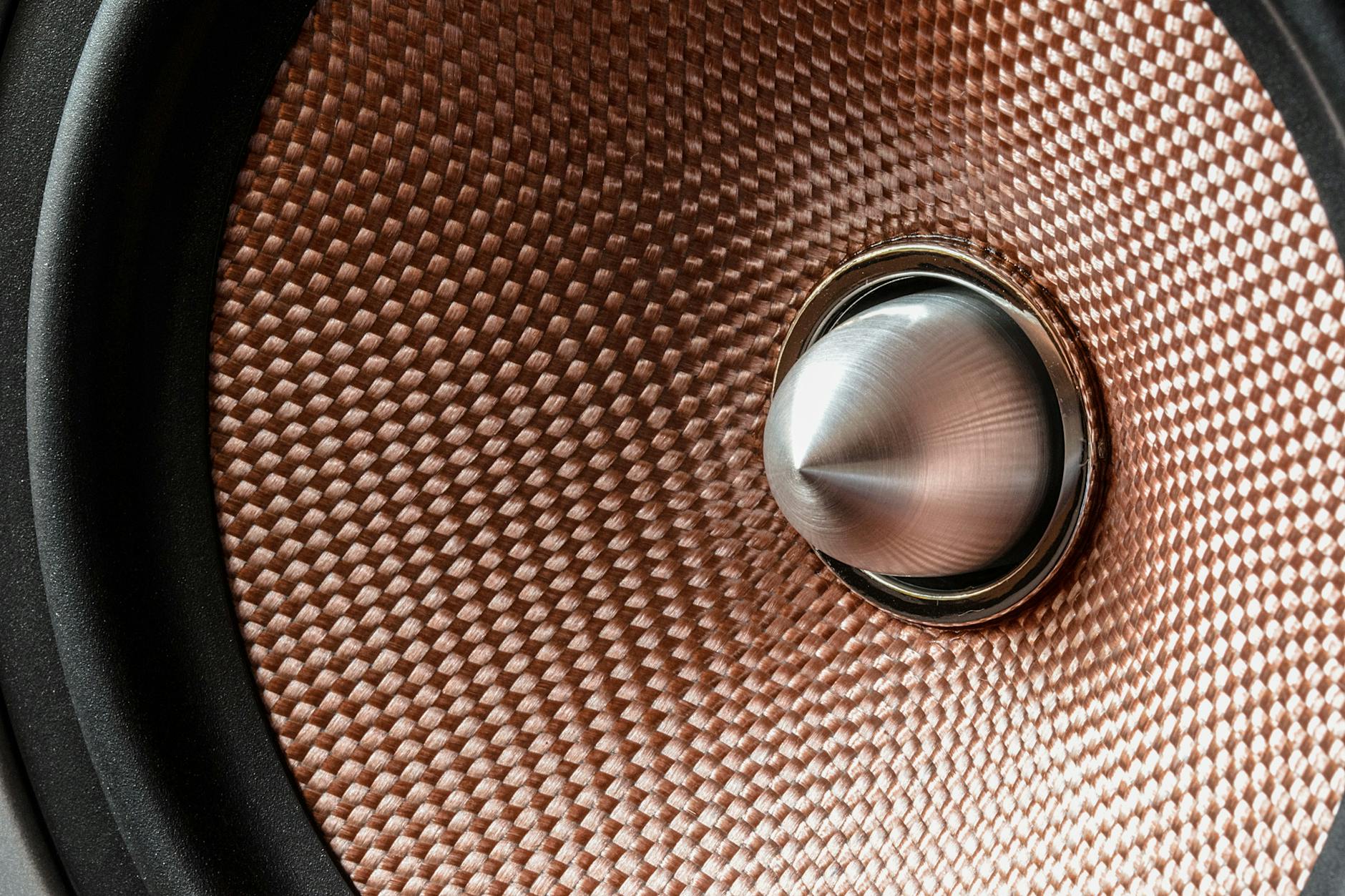
The role of home entertainment systems in powerfully delivering event audio should not be underestimated. A well-selected speaker system can dramatically influence the audience's experience. For events, opt for robust PA systems that ensure coverage throughout the venue, leaving no corner untouched by clear, crisp audio. When planning events in venues similar to the spacious ballrooms of luxury hotels in Darling Harbour, it's essential to consider speakers with wide dispersion angles and sufficient wattage to handle large crowds.
Audio Mixers
Audio mixers offer the backbone of effective sound management. These devices allow fine-tuning of various input channels, ensuring a balanced audio output that can adapt to the unique acoustic intricacies of any venue. During events, I've often relied on mixers to blend lounge music seamlessly into speech segments, achieving a fluid auditory flow. Understanding how to optimise these mixers can significantly enhance the quality of your sound production, providing audiences with a satisfying and immersive experience.
Tailoring Audio for Venues
Analyzing Venue Acoustics
Understanding the acoustics of a venue is crucial for delivering an exceptional audio experience. In my experience, I've found venues like the iconic Sydney Opera House, renowned for its acoustics, serve as benchmarks when evaluating other spaces. When I plan an event, the first step is to assess how sound travels within the space. Factors like ceiling height, wall materials, and even furnishings can impact sound quality, so I ensure detailed measurements and simulations drive my decisions.
Customizing Setup for Size
Event venue size plays a pivotal role in shaping audio configurations. For a smaller room, compact speaker systems may suffice, while larger spaces demand a more robust setup. Tailoring the sound system involves selecting appropriate equipment—like high-fidelity musical equipment—to amplify the audio without overwhelming the audience. To achieve optimal results, I consider the number of attendees and their seating arrangement, ensuring everyone can appreciate the acoustic richness.
Addressing Unique Challenges
Every venue presents its own set of challenges. In the International Convention Centre Sydney, known for its cutting-edge event spaces, managing multiple audio sources simultaneously requires strategic planning. Using mesh radios, for instance, helps in coordinating between different audio equipment, preventing frequency overlap and ensuring seamless communication. It’s not just about fitting the equipment into the space but making sure it complements the overall event atmosphere, leaving a lasting impression on the attendees.
Best Practices for Setup
Conducting Sound Checks
When organising an event, a thorough sound check is crucial to ensure everything goes smoothly. Ensure that all equipment, such as a professional microphone, is tested individually. This step allows you to identify any sound issues, including volume levels or distortions, before they impact the live event. You would often find that at venues like the Sydney Opera House, a detailed pre-event sound check can significantly enhance the overall sound quality of performances.
Positioning Equipment Correctly
Strategic equipment positioning is essential for optimising audio clarity and coverage. For instance, placing microphones too close to speakers can lead to feedback, a common pitfall for many event setups. Ensuring that items like an induction loop are correctly installed ensures everyone can access clear sound, particularly for those with hearing aids. This attention to detail is what helps maintain the professional standards needed for a seamless event experience.
Managing Technical Staff
Having a competent technical team on hand can make or break an event. It's vital to have staff who are not just skilled but also familiar with the equipment you're using. In the midst of a bustling event, your team should be ready to troubleshoot any issues that may arise. They will ensure that everything from adjustments to unexpected equipment swaps is handled promptly, keeping the show running without hiccups.
Navigating Common Audio Challenges
Battling Feedback and Distortions
In the bright lights of event production, particularly in iconic venues like the Sydney Opera House, dealing with feedback and distortions is as routine as it is challenging. I've witnessed plenty of events where an unexpected screech from the speaker system threatened to overshadow an otherwise flawless performance. The key to mastering this aspect is anticipating the acoustics of your venue and fine-tuning your audio setups, such as strategically placing speakers and microphones to reduce the chance of feedback loops.
Tackling Connectivity Issues
Connectivity issues can throw even the most meticulously planned event into chaos, whether a tech expo at the International Convention Centre Sydney or an intimate corporate gathering. To hedge against these hurdles, always have a robust backup plan that includes multiple connection options. Technologies such as wireless AV transmitter systems offer flexibility, ensuring that the show's IT communications remain uninterrupted even against unforeseen failures.
Overcoming Equipment Malfunctions
No matter how comprehensive your preparations, equipment malfunctions often strike at the most inconvenient times. In one memorable instance, the mic failed during a key presentation, but swift intervention and a backup mic saved the day. Keeping spare components—whether mics, cables, or a soundboard—on standby can make a world of difference. Furthermore, engaging a dedicated technical staff member to oversee the system ensures any malfunctions are swiftly resolved, helping maintain seamless operations and keeping your attendees focused on the event rather than its hiccups.